For guests
Should You Pitch Podcasts on a Network?
A network means a booking desk between your email and the host. We split 385 real feeds on it: 21% of network shows and 20% of independents passed the same three checks, by completely different routes.
6 min read
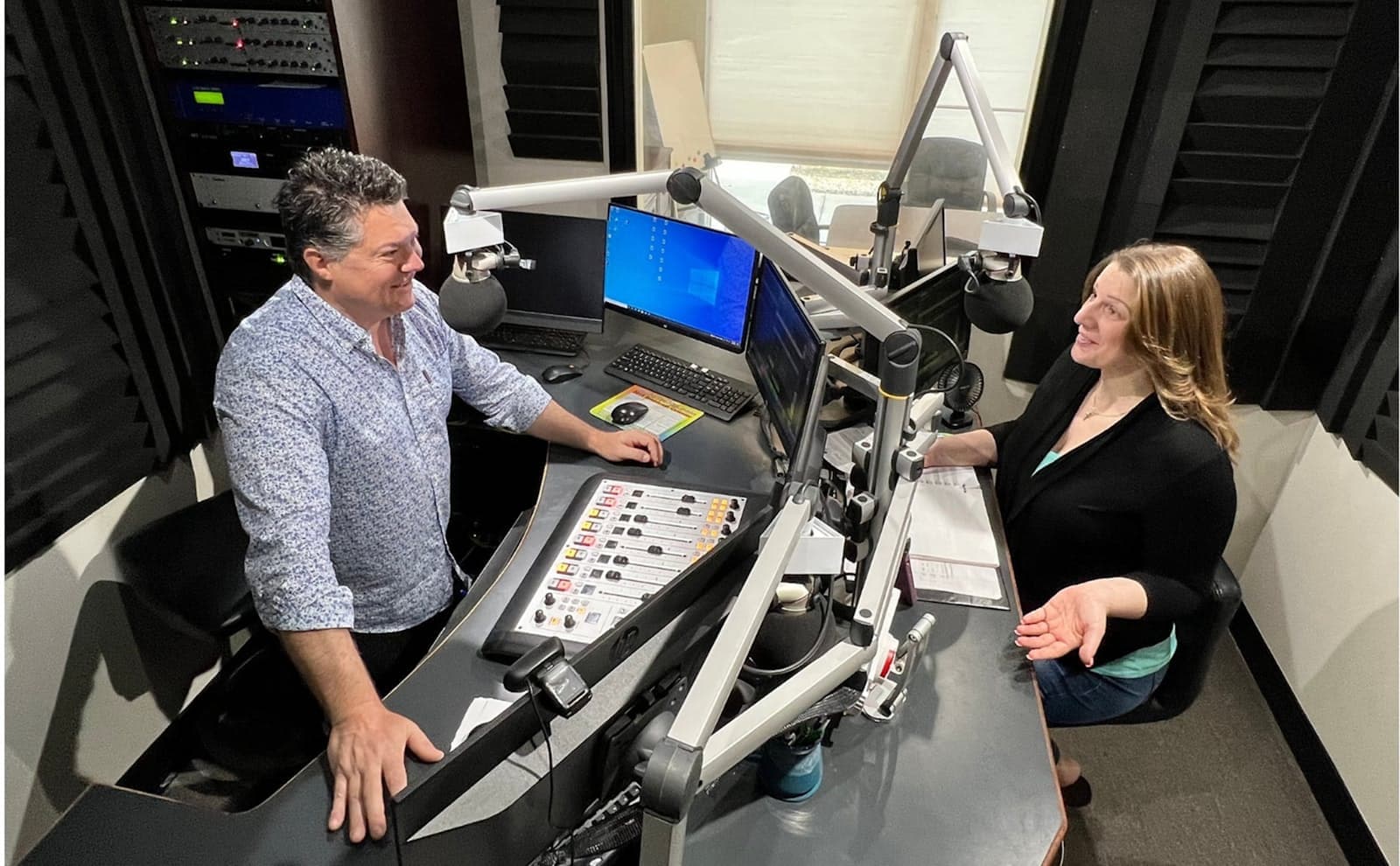
Somewhere in every guide to podcast pitching is the advice to skip the network shows. The reasoning is intuitive and it is not stupid: a network means a producer, a producer means a submission process, and a submission process means your carefully written email lands in a queue instead of in front of the person who decides. Go independent, the argument runs, and you are writing to the host directly.
We can check part of that. Our directory holds the public feeds behind 408 podcasts, and we read 385 of them. 71 of those are run by a network or a media brand and 314 are independent. On the three checks a guest runs before spending an hour on a pitch (is it still publishing, does it publish a contact route, does it show any evidence it books guests), the two sides came out 1 point apart: 21% of network shows passed all three and 20% of independents did.
That surprised us, and the interesting part is not the tie. It is that the two sides arrive at the same number from opposite directions, and each direction tells you something you can act on. The network label is not the decision. It is two decisions wearing one word.
The same three checks, both sides
Every readable feed in our corpus, split by whether a network or media brand publishes it, then run through the same checks in the same order we apply everywhere else on this site.
"Still publishing" means the show had released something within six months of the day we read its feed. "Books guests" means it publishes evidence a stranger can check, in recent episode titles or in how the show describes itself, which is not the same as booking guests, so read that column as a floor rather than a rate. Openness is the 0 to 100 score this directory ranks on; the corpus median is 45.
| Who runs it | Shows | Still publishing | Has a contact route | Books guests (visible) | Passes all three | Mean openness |
|---|---|---|---|---|---|---|
| Network or media brand | 71 | 85% | 93% | 27% | 21% | 35 |
| Independent | 314 | 72% | 82% | 32% | 20% | 46 |
Compare the two sides check by check, because that is where the finding is. On the two checks that are pure logistics, the network side wins and wins clearly: 85% were still publishing against 72%, and 93% published a contact route beyond a bare homepage against 82%. Then the direction reverses. 27% of network shows publish visible evidence that they book guests, against 32% of independents, and on our openness scale the network side averages 35 while independents average 46.
The two effects are close to the same size, which is why the two sides tie on "passes all three": 21% against 20%.
Reachable and pitchable are not the same property
This is the sentence worth taking away, and it applies well beyond networks.
A network publishes a contact address 93% of the time because somebody is employed to be at that address. That is the same fact as the booking desk, seen from the other side. The address is easy to find precisely because it is defended, and the person defending it reads pitches all day and turns down almost all of them. Meanwhile the independent show that took you twenty minutes to find an email for has a host who was not expecting to hear from anyone, and has no process for saying no.
The liveness gap has an unglamorous explanation too. Networks cancel shows and take the feeds down, or keep them running because somebody's job is to keep them running. An independent podcast stops when its host gets busy, and the feed stays up looking exactly like a live one. So 15% of the network side had gone quiet against 28% of the independent side. Not because network hosts are more disciplined, but because an abandoned network feed is somebody's problem and an abandoned independent feed is nobody's.
None of which makes network shows bad targets. It makes the word a poor sorting key: it bundles two real advantages with two real disadvantages, and hands you a single label that averages them out to nothing.
What this settles about pitching small shows
We published a finding earlier that the shows with the smallest catalogues are the worst targets, and we flagged a problem with it in the same piece: network share climbs as catalogues get longer. So "the biggest shows qualify most often" and "the biggest shows are the most network-run" could have been the same rows read twice, and the whole finding could have been a network artefact.
This split is the control. Below is the qualified rate among independent shows only, walked up the same catalogue-size bands. No booking desks anywhere in these rows.
"Qualified" is the same conjunction as the table above: still publishing, publishes a contact route, and publishes visible evidence it books guests. Catalogue size is how many episodes a show has published, which is not a measure of its audience. No public feed carries download figures and neither do we.
| Catalogue size | Independent shows | Passes all three |
|---|---|---|
| Under 50 episodes | 52 | 4% |
| 50 to 149 episodes | 66 | 14% |
| 150 to 499 episodes | 119 | 24% |
| 500 episodes or more | 77 | 31% |
The ladder survives, and it is steeper here than in the mixed rows: 4% in the smallest band and 31% in the largest, rising at every step. Catalogue size predicts a better target among independent shows on their own, so the size finding was not networks in disguise. If anything the network shows were flattening it.
We are not going to read the same ladder on the network side, and the reason is arithmetic rather than modesty: 71 shows split four ways leaves as few as 9 in a band, and a rate over 9 shows moves several points when one show does. There may well be a pattern there. We cannot see it from here, and printing the row as though we could would be the kind of number this site exists to argue against.
What to do with a network show in your list
Keep it, and change what you check. The label stops being useful the moment you can look at the things it was standing in for:
- Look for the guest evidence yourself, because this is where the network side is genuinely weaker, at 27% versus 32% publish something checkable. A network show that plainly interviews someone every week has already answered the only question the label was proxying for.
- Find out who the pitch actually goes to. If the contact route is a producer, a submissions form, or a generic inbox, you are writing to a queue and should write for a queue: shorter, specific, with the segment idea in the first line, and no assumption the reader knows the show as well as you do.
- Write to the host directly when the route allows it, which on independent shows it usually does. That is the real advantage of the independent side and it is worth more than the small edge in guest evidence.
- Do not use the label to skip the liveness check. It is the check that removes the most shows from anybody's list, and the independent side is where it bites: 28% of independents had published nothing in six months when we read them.
- Prefer long-running and independent when you can have both. 77 shows in our corpus have published 500 episodes or more with nobody behind them, and they average 59 on our openness scale, the highest-scoring group we measure, against a corpus median of 45.
The honest summary: on our data the network label costs you nothing and buys you nothing, and moves the qualified rate by 1 point. Spend the attention you were going to spend on it on the last episode date instead.
Sources and benchmark date
Every figure above is derived at build time from our own read of the public feeds behind 408 podcasts between July 16, 2026 and September 16, 2026, not typed in. The method, the limitations and the raw data are public:
- Which Podcasts Actually Book Guests? (our study)
Original analysis of the 385 readable feeds inside a 408-show directory. Source for the openness score, the network definition and the definition of visible guest evidence used on this page. Method, limitations and the full dataset are published with it under CC BY 4.0.
- Should You Pitch Small Podcasts?
The catalogue-size finding this page controls for, with the full four-band table across all 385 feeds rather than the independent-only rows above.
- How to Contact a Podcast Host
What the "has a contact route" column is actually counting: which door each show publishes, and how often the only one on offer is a homepage.
- How Many Podcasts Should You Pitch?
The same three checks applied in sequence to the whole corpus: 78 of 408 shows passed all of them, which is what should size your list.
Frequently asked questions
Should you pitch podcasts on a network?+
Yes, on the same terms as any other show. Across 385 podcast feeds we read between July 16, 2026 and September 16, 2026, 21% of the 71 network-run shows passed all three checks a guest runs before pitching, against 20% of the 314 independents, a gap of 1 point. The label bundles two advantages (network shows were still publishing 85% of the time against 72%, and published a contact route 93% against 82%) with two disadvantages (27% published visible guest evidence against 32%, and they averaged 35 on our openness score against 46). Judge the show, not the label.
Are independent podcasts easier to get on than network ones?+
Easier to reach the decision-maker, yes. Easier to qualify, no. In our read of 385 feeds between July 16, 2026 and September 16, 2026, independent shows published visible evidence they book guests 32% of the time against 27% for network shows, and scored 46 on our 0 to 100 openness scale against 35. But they were also likelier to have stopped publishing (28% dormant against 15%) and likelier to publish no contact route beyond a homepage. The two effects roughly cancel: both sides passed all three checks at 20% and 21%.
Why do network podcasts score lower on openness?+
Because openness measures whether a cold pitch can reach the person who decides, and a network puts a booking desk in the way. Network shows in our corpus averaged 35 against 46 for independents, over feeds read between July 16, 2026 and September 16, 2026. It is not a quality judgement about the show. It is the same fact as their higher contact-route rate seen from the other side: the address is easy to find because somebody is paid to be at it, and that person's job includes turning down most of what arrives.
How do you tell if a podcast is on a network?+
Check the author or publisher field on the feed, which is what we do, and look at the show's website for a parent brand, a roster of other shows, or a "submit a guest" form that mentions a team. A network show usually names its producer somewhere and often routes contact through a shared inbox rather than a personal one. 71 of the 385 feeds we read between July 16, 2026 and September 16, 2026 were network-run, about 18% of the readable corpus.
Does pitching a bigger podcast still work if you skip the networks?+
Yes. Looking only at independent shows, with no booking desk anywhere in the rows, the share passing all three checks rose from 4% in the smallest catalogue band to 31% in the largest, climbing at every step, across feeds read between July 16, 2026 and September 16, 2026. So the advantage of long-running shows is not a network effect in disguise. The best target profile in our data remains a show that has published for years and answers its own mail.
More on choosing which shows to pitch


Build a list on the checks that predict a reply
Filter 408 shows down to the ones still publishing, reachable, and showing evidence they book guests. Free, and no list to buy.