For guests
How to Prepare for a Podcast Interview
You landed the booking: now make the episode count. Great guests don't wing it; they show up prepared, sound clean, and give the audience something worth sharing. Here's exactly how to get ready.
8 min read
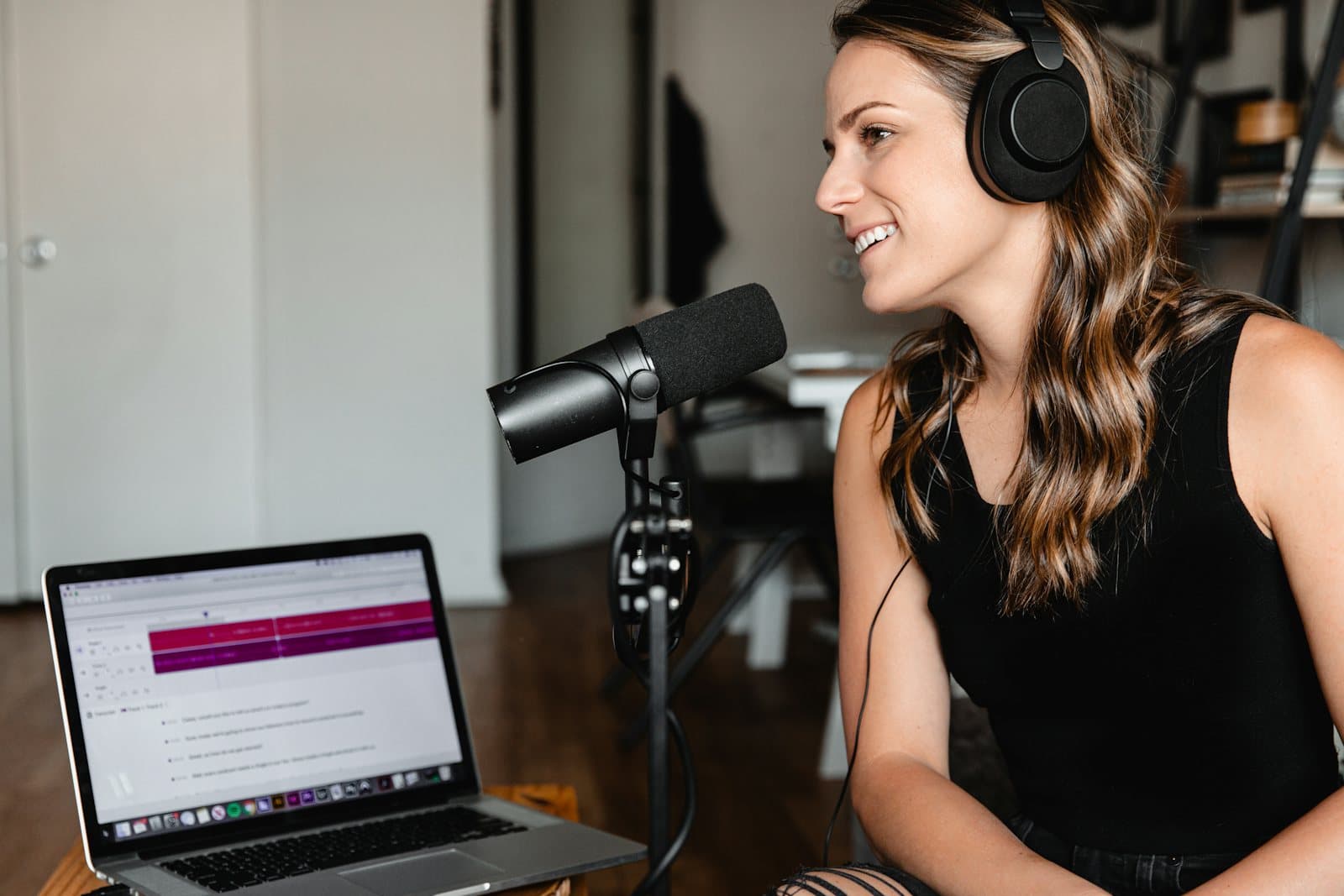
Getting booked is only half the job. The interview itself is what decides whether listeners remember you, whether the host invites you back, and whether anyone clicks through to find you afterward. The good news: being a standout guest is almost entirely about preparation, not natural charisma.
This is a practical checklist you can run before any recording: from researching the show to setting up your microphone to following up after the episode airs. Work through it once and it becomes second nature for every future booking.
Step 1: Research the show before you say yes to a time
The single biggest tell of a great guest is that they actually know the show. Hosts can sense it in the first two minutes, and so can the audience. A little homework also tells you how to pitch your stories so they land with these particular listeners.
Before the recording, find out:
- Who the audience is: founders, marketers, parents, hobbyists? Shape your examples for them.
- The format, solo-host Q&A, co-hosts, a debate, a fixed segment structure? Ask the host if it's not obvious.
- Length and tone: a tight 25-minute show is different from a rambling two-hour conversation.
- Recent episodes: listen to one or two all the way through so you can reference them naturally.
If the host sent prep questions or a run-of-show, read them carefully. If they didn't, it's completely fine to ask: "Is there a topic or angle you most want me to focus on?" Hosts love a guest who asks.
Step 2: Prepare talking points, not a script
You want to sound like a person having a conversation, not someone reading prepared remarks. The goal is a short list of ideas and stories you can pull from: flexible enough to follow wherever the host takes it.
Build a one-page prep sheet with:
- 3–5 core messages: the ideas you want listeners to walk away with, in plain language.
- A story or concrete example for each: specifics and numbers beat abstractions every time.
- One memorable line or framing: a phrase that's easy to quote and clip.
- Your call to action: where you want people to go, said simply, once or twice.
Practice telling your two or three best stories out loud. Most guests have the same handful of stories that always land: know yours cold so you're never scrambling on air.
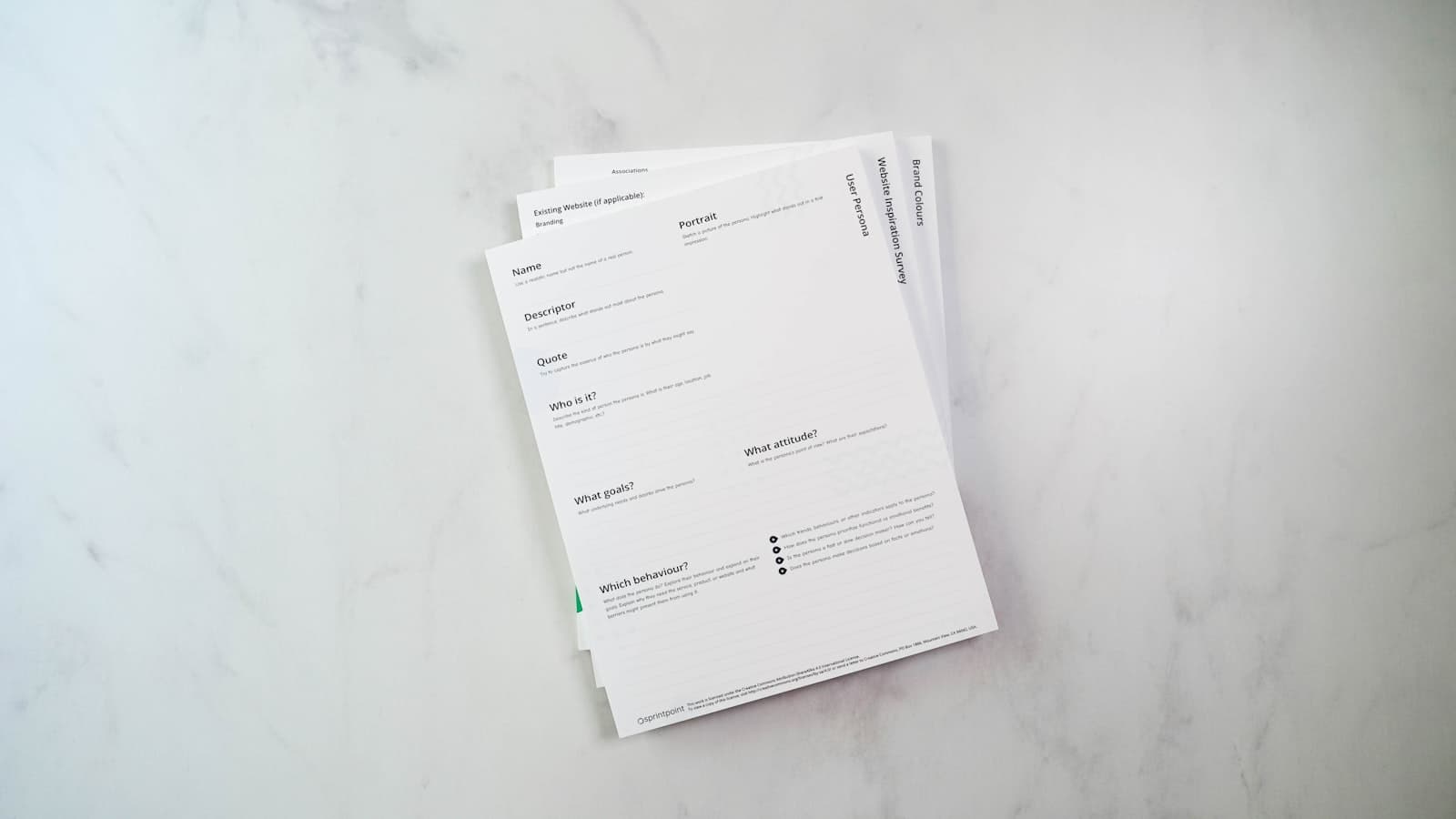
To build the sheet in a few minutes, use the free podcast interview prep sheet: it times your intro and checks that every message has a story behind it.
Step 3: Anticipate the questions you'll be asked
Hosts tend to ask predictable openers, and a few that can throw you if you haven't thought about them. Rehearse short, sharp answers so you don't ramble.
Be ready for:
- "Tell us about yourself": have a 30-second version, not a five-minute résumé.
- "How did you get into this?": a tight origin story with one turning point.
- "What's the biggest mistake people make?": a useful, contrarian-but-true take.
- The curveball: a hard or unexpected question. It's fine to pause, think, and answer honestly.
A good rule: aim to answer in 60–90 seconds, then hand the conversation back. Long monologues kill the energy and make editing harder for the host.
Step 4: Sound good: fix your audio and environment
Audio quality is the one technical thing that can sink an otherwise great interview. Listeners forgive a lot, but they'll click away from echoey, tinny, or noisy audio. You don't need a studio: you need to remove the obvious problems.
- Use a real microphone or wired earbuds with a mic: never your laptop's built-in speaker mic, which sounds hollow and picks up the room.
- Record in a small, soft room: carpet, curtains, a closet of clothes. Hard, empty rooms echo.
- Kill background noise: close windows, silence notifications, put your phone on Do Not Disturb, and pause anything noisy nearby.
- Wear headphones so the host's voice doesn't leak into your mic and create echo.
- Test before you join: record a 20-second clip and listen back, or hop on a minute early to check levels with the host.
Stable internet matters too: use a wired connection if you can, and close bandwidth-hungry apps so the call doesn't drop or glitch.
Step 5: Day-of logistics so nothing derails the recording
Small misses: a wrong time zone, a dead battery, a barking dog: cost recording time and frustrate the host. Run a quick pre-flight an hour before.
- Confirm the time in your time zone and the meeting link works.
- Charge your devices and have water within reach.
- Tell housemates or coworkers you're recording so you won't be interrupted.
- Have your one-page prep sheet open but off-camera if it's video.
- Arrive a few minutes early: a relaxed warm-up chat with the host makes the whole interview better.
If it's a video podcast, frame yourself at eye level with light in front of you (not a bright window behind you), and clear visual clutter from the background.
Step 6: Be the guest hosts want to recommend
Preparation sets you up; how you show up in the room is what earns the referral. The best guests make the host's job easy and the episode genuinely valuable.
- Be generous: give real, usable insight instead of teasing a paid offer.
- Match the host's energy and let them drive; don't talk over the questions.
- Use names and stories: concrete beats abstract, and it makes for better clips.
- If you stumble, just pause and restart the sentence: most shows edit, and a clean restart helps.
- Thank the host and offer to share the episode when it airs.
Step 7: Follow up and make the episode work for you
The episode keeps paying off for months, but only if you help it travel. A little post-interview effort turns one recording into ongoing reach and your next booking.
- Send a short thank-you and any links or resources you promised on the call.
- When it airs, share it everywhere you can and tag the host: they notice, and it earns the next invite.
- Add it to your guest one-sheet as proof for future pitches.
- Repurpose it: pull a quote, a clip, or a short post from your best moment.
Promoting an episode well is the simplest way to become the guest a host recommends to other hosts: which is how guesting compounds.
The thank-you is also where the link for the show notes gets settled. For templates for both sides, read the podcast guest thank-you email.
Frequently asked questions
How do I prepare for a podcast interview?+
Research the show and its audience, listen to a recent episode, and build a one-page prep sheet with 3–5 core messages and a concrete story for each. Rehearse your best stories out loud, anticipate common questions like "tell us about yourself," set up clean audio with a real mic and headphones in a quiet room, and run a quick pre-flight check on the day of the recording.
What should I say when a host asks me to introduce myself?+
Have a tight 30-second introduction ready: who you are, what you do, and the one credibility marker most relevant to this show's audience. Save the full backstory for when the host asks a follow-up. A crisp intro sets the tone and signals you respect the listener's time.
Do I need expensive equipment to be a podcast guest?+
No. You need to remove the obvious audio problems, not build a studio. A USB microphone or even wired earbuds with a mic, headphones to prevent echo, and a small soft room with notifications silenced will sound far better than a laptop's built-in mic. Always record a short test clip and listen back before the interview.
How long should my answers be in a podcast interview?+
Aim for roughly 60–90 seconds per answer, then hand the conversation back to the host. Long monologues drain the energy, crowd out follow-ups, and make the episode harder to edit. Make your point with a specific story or example, then stop.
What should I do after the podcast interview?+
Send a short thank-you with any links you promised, and when the episode airs, share it widely and tag the host. Add the appearance to your guest one-sheet as proof for future pitches, and repurpose your best moment into a clip or post. Promoting the episode well is how you earn the next booking and the host's referral.
More on the interview itself
Find shows worth preparing for
Build your guest one-sheet once and let hosts who fit your topics find and invite you. Free while we're in early access.