Podcast for Introverts: 7 Shows and Pitching Tips for 2026
You know the feeling. The cold pitch sits in your drafts, your chest tightens, and the first live interview feels like a performance you never agreed to give. A podcast for introverts should do the opposite. It should help you listen without pressure, pitch without acting extroverted, and build a guest workflow that respects quiet preparation.
These seven shows do that in different ways. Some are better for learning how introverted people think and work. Some are better for workplace positioning, client-facing roles, or sensitive listeners who want depth without noise. The best ones also give you a model for how to pitch yourself, what episode types are easiest to request, and how to reuse a calm format if you host your own show.
Table of Contents
- 1. The Introvert, Dear Podcast with Jenn Granneman
- 2. The Introvert's Guide To… with Jess McAuley and Phil Rickaby
- 3. The Quiet and Strong Podcast with David Hall
- 4. The Introvert's Edge with Matthew Pollard
- 5. Unapologetically Sensitive with Patricia Young, LMFT
- 6. The Gentle Rebel Podcast with Andy Mort
- 7. Quiet, The Power of Introverts with Susan Cain
- 7 Introvert Podcasts Compared
- Turn Listening Into Booking A Quiet Pitch And Interview Workflow
1. The Introvert, Dear Podcast with Jenn Granneman
The first place I'd send a nervous guest is the archive at Introvert, Dear. It's the most straightforward podcast for introverts here because it treats introversion as a real lived pattern, not a motivational slogan. That makes it useful if you want language for job interviews, relationships, or the social cost of being “on” too often.
Start with topic-first browsing
The episode library is the main win. You can browse by subject on the site and use the archive as a quiet research tool before you ever make a pitch. If you're trying to get booked, pair that listening with how to get booked as a podcast guest so your topic idea matches the way hosts think about fit.
Practical rule: If a show's back catalog is easy to scan, it's easier to pitch. You can reference one relevant episode instead of sending a vague “I'd love to be on your show” note.
The tone is empathetic, and that matters. For introverts, bad advice often sounds like “speak louder” or “push yourself harder.” This archive is more useful because it stays close to scenarios that quiet people actually face. The trade-off is obvious, though. It's an archive rather than an active production, so you're mining it for insight, not chasing a current guest slot.
If you host a show, borrow its structure. Keep topics specific. Make the listener feel understood fast. Skip the grand intro and get to the problem.
2. The Introvert's Guide To… with Jess McAuley and Phil Rickaby
This is the easiest recommendation for a new listener who wants low-friction advice. The show takes everyday situations, like making friends, parties, travel, and dating, and turns them into bite-size guidance. The tone stays friendly, which helps if you're looking for a podcast for introverts that doesn't demand much emotional bandwidth.
Best use case for reluctant guests
If you're pitching a shy expert or a first-time guest, study this format closely. The conversations feel structured enough that a guest doesn't have to improvise every minute. That's the main lesson for introvert-friendly interviewing. Give people a lane. Let them prepare. Don't make the whole episode depend on spontaneous chemistry.
The site is organized by theme, which makes it simple to map your own content ideas. If you host, reuse that pattern by grouping episodes into practical categories such as work, friendships, and recovery time. If you pitch, send one narrow angle, not a personal essay. A host is more likely to respond to a topic like “how introverts handle group travel” than a broad claim that you “love helping quiet people thrive.”
The trade-off here is scope. It's very approachable, but not the best fit if you need career depth or clinical nuance. Use it for comfort, not specialization.
A calm show does not need to sound flat. It needs structure, a clear purpose, and enough breathing room for the listener to stay regulated.
3. The Quiet and Strong Podcast with David Hall
If your real problem is work, this is one of the strongest options. The show stays focused on communications, confidence, and careers for introverts, with episodes on meetings, leadership, and time management. That makes it more practical than inspirational. It sounds like a show made by someone who understands how workplace pressure feels.
Why it works for career pitching
The mix of solo teaching and interviews is useful. Solo episodes are easier to reuse as templates because they show how to deliver a point without relying on banter. Interview episodes are more useful if you want to see how the host handles pacing and transitions. The back catalog is deep, and the show also surfaces notes and YouTube versions, which makes it flexible for different listening styles.
That flexibility matters for a podcast for introverts because quiet listeners often want control over format. Some days you want audio only. Some days you want captions and a visible structure. If you host, borrow the utility-first style. Keep your episode notes specific. Use chapters. Make the replay value obvious.
Reuse it without copying it
A practical host can take three things from this show:
- Meeting language: Teach one usable phrase or response a listener can deploy at work.
- Leadership framing: Show how introversion changes the way decisions are made.
- Time management angle: Focus on energy costs, not just calendar tricks.
The trade-off is production polish. This is not a glossy narrative show. It's built for utility. That's a strength if you care about getting better at the job, and a weakness if you want a more cinematic experience.
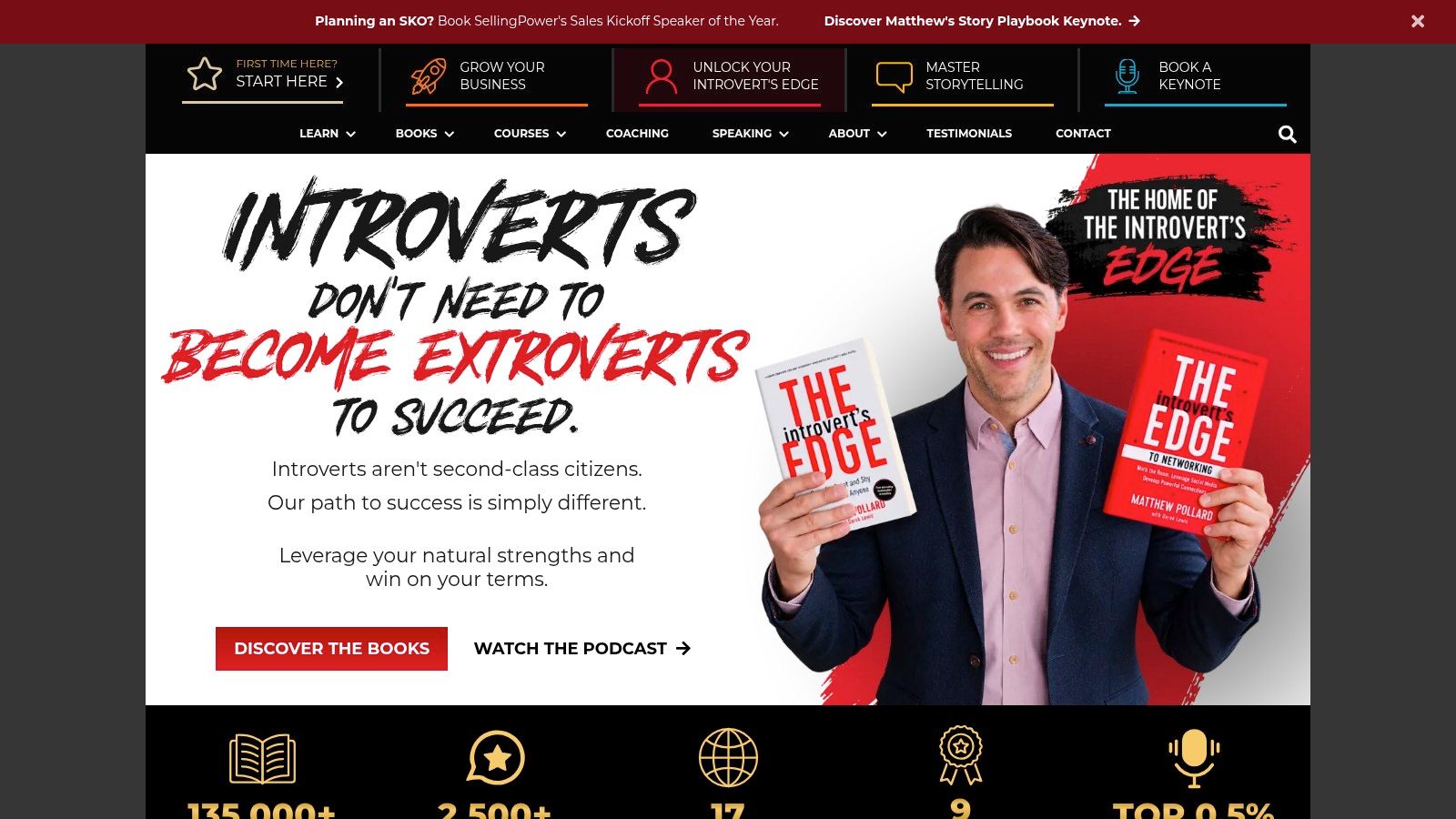
4. The Introvert's Edge with Matthew Pollard
If your introversion shows up most in sales calls, networking, or stage-facing work, this is the most tactical show on the list. It's built around business performance, which means the advice is specific, not abstract. That's useful when you need a podcast for introverts that deals with money, visibility, and client conversations instead of only self-understanding.
Start here if you need a business angle
A reluctant guest who works in consulting, coaching, or B2B sales can use this style as a reference point. The best episodes are the ones that sound like frameworks, not pep talks. That's exactly what helps introverts. A framework lowers decision fatigue. It gives the host and guest a shared map.
If you want to pitch a similar audience, use podcast strategies for leadership to shape the angle before you send anything. A leadership-focused pitch works best when the guest can name a concrete problem and a concrete method, such as how to run quieter meetings or how to build trust without constant visibility.
The show's strength is its business clarity. The weakness is also its business clarity. If your work has little to do with selling, networking, or entrepreneurship, the fit gets thinner. But if you need a model for introvert-friendly authority, this is one of the better ones.
Practical rule: Introvert-friendly business content should reduce performance pressure, not pretend it doesn't exist.
5. Unapologetically Sensitive with Patricia Young, LMFT
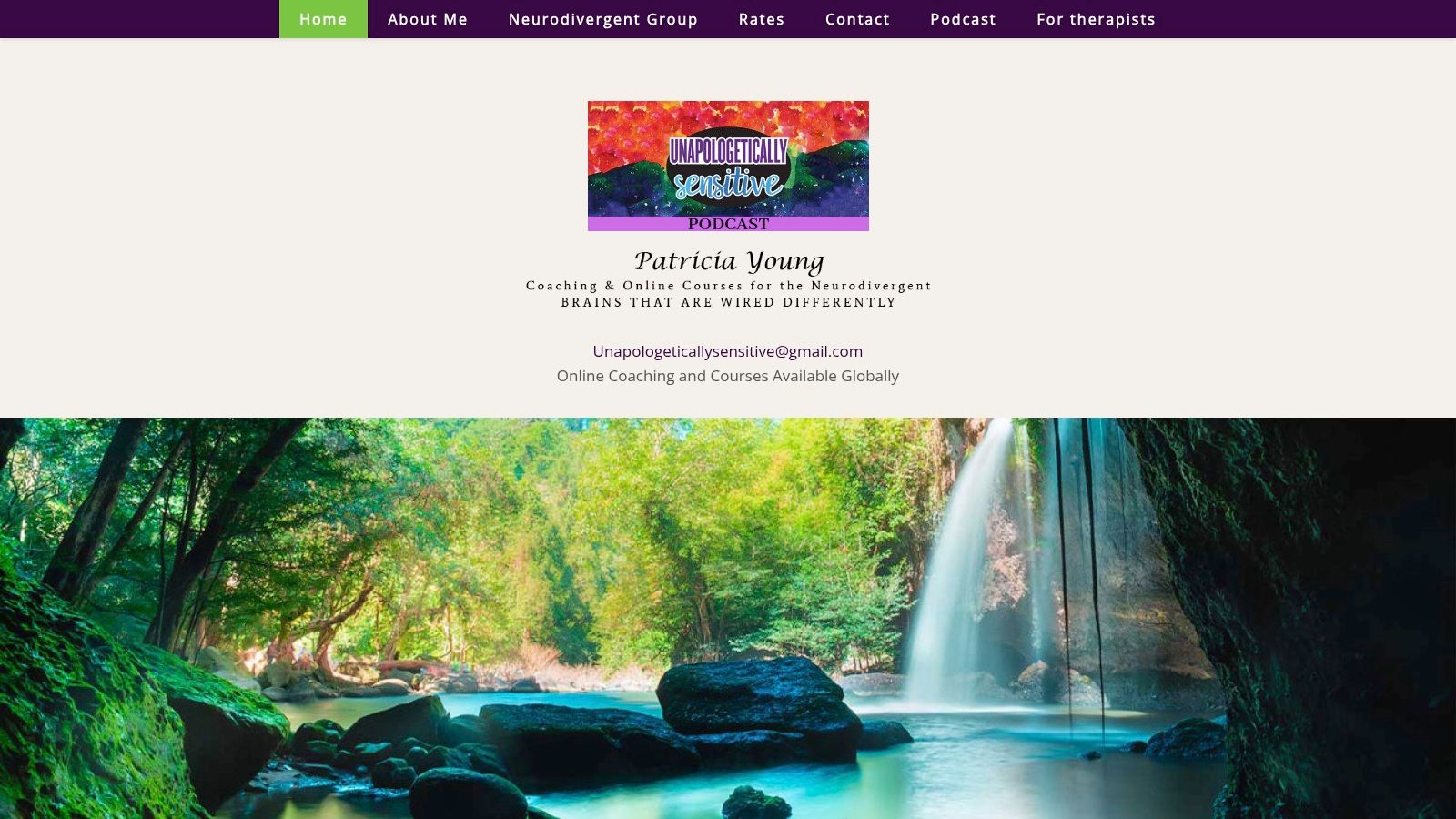
This show is a strong fit if your introversion overlaps with sensitivity, burnout, or boundary trouble. Because it's therapist-hosted, the tone feels clinically grounded without becoming cold. For many listeners, that's the sweet spot. A podcast for introverts should feel safe enough to absorb, not just smart enough to admire.
Best for energy and boundary work
The most useful episodes are the ones that connect emotional regulation to everyday behavior. That's where introverts often need help most. Not in becoming louder. In protecting attention, managing social load, and recovering before the next demand lands.
If you host, this is a good model for calm authority. Keep the emotional tone validating, but don't let the episode drift into vagueness. Name the boundary. Name the behavior. Name the next step. Sensitive listeners are often tired of being told they're “fine as they are” without being shown how to handle Tuesday afternoon.
The trade-off is audience scope. The show leans toward highly sensitive people and related concerns, so not every introvert will see themselves in every episode. Still, the overlap is strong enough that most quiet listeners will recognize the energy-management side of the advice.
This is also a good show to study if you're building a guest pitch around well-being, recovery, or communication habits. The audience expects substance and restraint, not theatrics.
6. The Gentle Rebel Podcast with Andy Mort
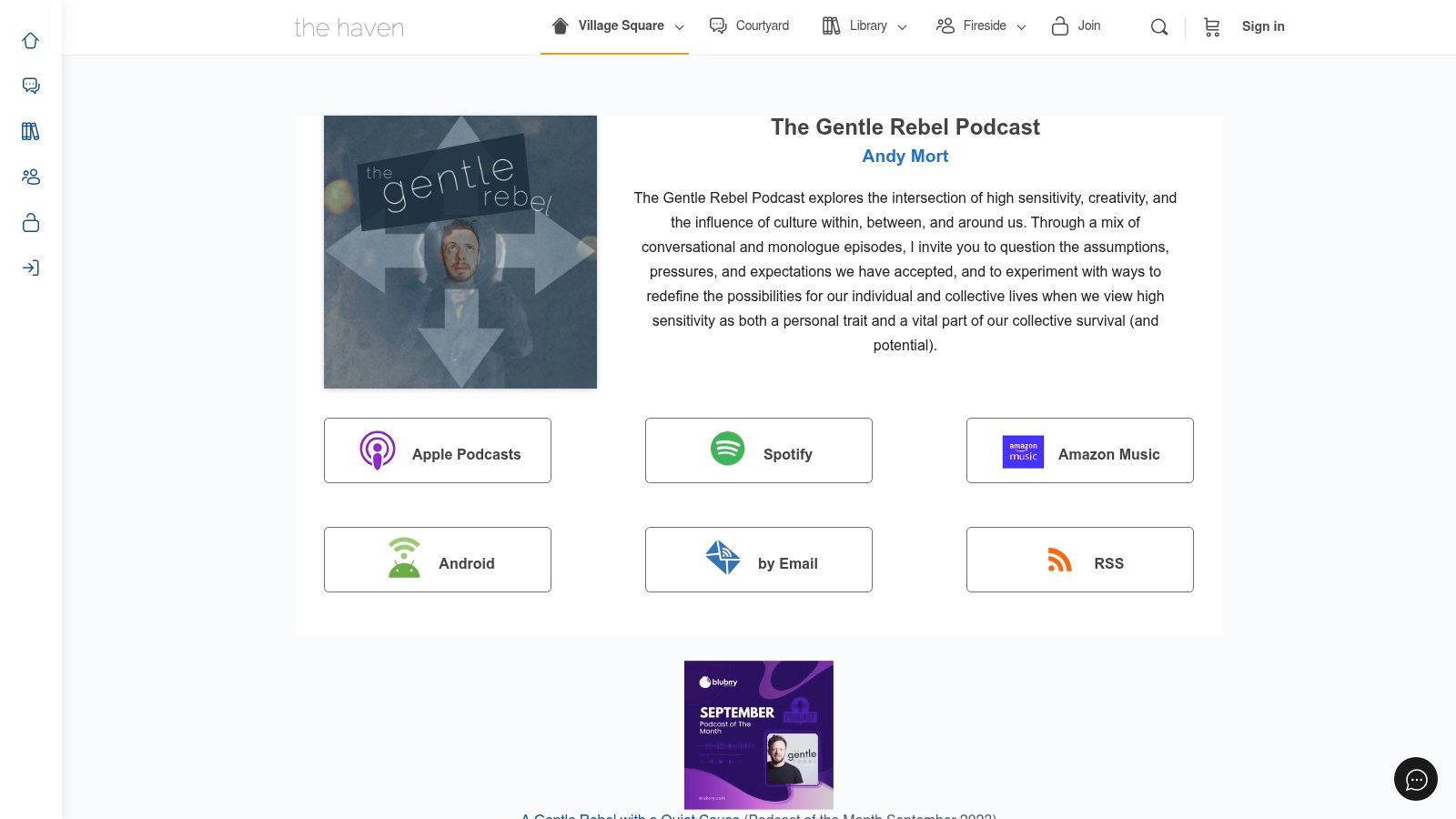
Some introvert shows try to fix the listener. This one gives the listener room. The pace is reflective, the topics lean toward creativity and slower living, and the overall effect is less "optimize yourself" and more "notice what works for your nervous system." That makes it a strong podcast for introverts if you get overstimulated by hyperactive delivery.
What to copy as a host
The best part of this show is the tone discipline. It does not rush to over-explain itself. That's useful if you host a quieter program and want the listener to settle in instead of brace for impact. Use shorter segments. Leave intentional pauses. Let the episode breathe.
A few production choices make this style work well:
- Reflective solo episodes: Good for listeners who prefer one calm voice over banter.
- Conversation with pacing: Better when the guest matches the show's slower rhythm.
- Community ecosystem: Useful if you want the audience to move from listening into deeper engagement.
The downside is obvious. If you want a hard tactical playbook for pitching or public speaking, you won't get that here. The value is more atmospheric and relational. That said, atmosphere matters. Quiet listeners often return to shows that protect their attention.
If you're pitching to a host with this sensibility, don't lead with hype. Lead with coherence. Show that your topic fits the mood, the pace, and the audience's appetite for depth.
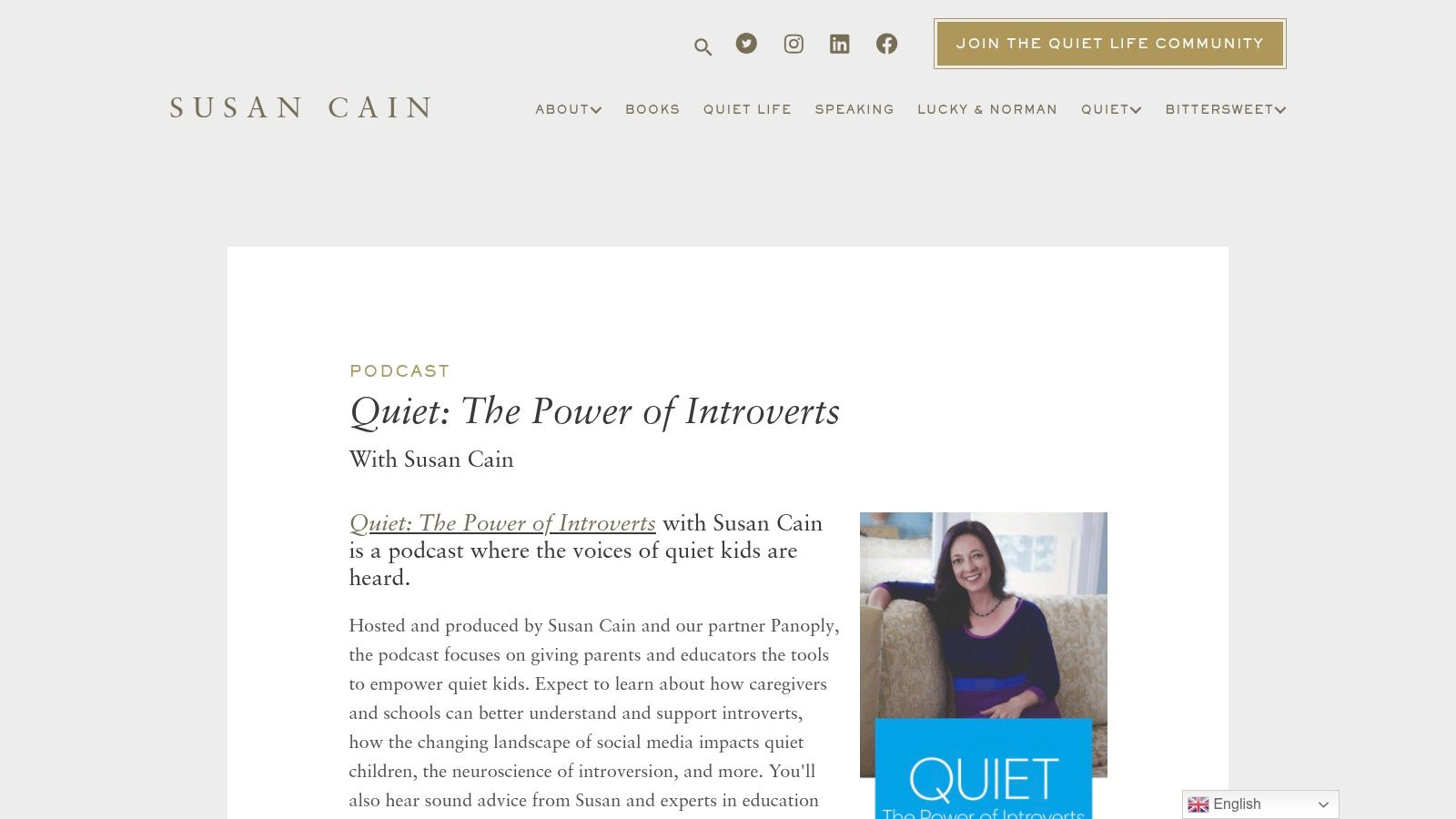
7. Quiet, The Power of Introverts with Susan Cain
This is the most obvious authority pick, and it earns that position. The show is limited, but the arc is clean and memorable. It's especially useful for parents, teachers, and anyone trying to support a quieter child or student. If you want a research-aware podcast for introverts, this is the one that feels most intentional.
Use it when you want a complete mini-series
The concise episode count is an advantage, not a limitation, if you prefer focused learning. You can move through the series without getting lost in endless back catalog choices. That makes it ideal for people who want one structured pass through the topic rather than a permanent feed.
For hosts, the lesson is about thematic discipline. The show stays aligned to one clear mission. That's rare and useful. If you're planning your own interviews, clarity like that makes it easier for guests to say yes because they can see exactly what the show stands for.
If you're trying to pitch yourself as a guest on education, workplace culture, or confidence topics, this style is a reminder to keep your angle crisp. For a practical companion on audience-facing skills, podcasts on public speaking can help you shape a cleaner, calmer interview presence.
The limitation is also clear. It skews toward youth and education, so it's not the best match for every adult work scenario. Still, it's one of the strongest examples of how to make a quiet, thoughtful show feel coherent from start to finish.
7 Introvert Podcasts Compared
| Podcast | 🔄 Complexity | ⚡ Resource needs | 📊 Expected outcomes / ⭐ Quality | 💡 Ideal use cases | Key advantages |
|---|---|---|---|---|---|
| The Introvert, Dear Podcast (with Jenn Granneman) | Low, archival, topic-focused episodes | Low, episodic listening; optional site articles | Practical, evidence-aware social & relationship guidance, ⭐⭐⭐⭐ | Deep dives on interviews, relationships, and personality topics | Broad archive; evidence-aware, easy-to-browse |
| The Introvert's Guide To… (with Jess McAuley & Phil Rickaby) | Low, short, conversational format | Very low, bite-size episodes for quick consumption | Immediate, actionable everyday tips, ⭐⭐⭐ | New podcast listeners; everyday social scenarios | Friendly tone; highly actionable |
| The Quiet and Strong Podcast (with David Hall) | Moderate, mix of interviews and solo teaching | Medium, regular weekly listening; show notes/YouTube available | Workplace-ready tactics for meetings, leadership, ⭐⭐⭐⭐ | Career development, leadership, meeting strategy for introverts | High cadence; practical, career-focused advice |
| The Introvert's Edge (with Matthew Pollard) | Moderate, business-focused frameworks and case studies | Medium, High, pairs well with books and courses | Concrete sales/networking methods for introverts, ⭐⭐⭐⭐ | Sales, entrepreneurship, client-facing roles | Step-by-step business tactics; high-caliber guests |
| Unapologetically Sensitive (with Patricia Young, LMFT) | Moderate, clinician-led, trauma‑informed episodes | Medium, active show notes, community/resource lists | Improved boundaries, energy management, clinical strategies, ⭐⭐⭐⭐ | Highly Sensitive Persons, neurodivergent listeners seeking therapy-informed tools | Clinically informed; trauma- and neurodiversity-aware |
| The Gentle Rebel Podcast (with Andy Mort) | Low, reflective solo & conversational episodes | Low, calming listening; optional community engagement | Enhanced reflection, creativity, and slower-living practices, ⭐⭐⭐ | Listeners seeking calm, creativity, and meaning-making | Soothing pace; connected ecosystem (The Haven) |
| Quiet: The Power of Introverts with Susan Cain | Low, limited, thematic series | Low, concise ~10-episode arc for focused learning | Research-backed guidance for kids and caregivers, ⭐⭐⭐⭐ | Parents, educators, and adults supporting quiet children | High credibility; expert interviews; concise learning arc |
Turn Listening Into Booking A Quiet Pitch And Interview Workflow
Start with one show that matches your current need. If you're nervous about the social side of being a guest, use The Introvert, Dear Podcast or Quiet to shape your language. If you need workplace positioning, move to The Quiet and Strong Podcast or The Introvert's Edge. If you need a calmer listening environment, The Gentle Rebel Podcast and Unapologetically Sensitive are better fits.
Then turn what you hear into a pitch that sounds prepared, not performative. Write one specific topic, one clear reason you can speak on it, and one listener outcome. A host can say yes to that. A vague “I'd love to share my story” email is easy to ignore.
Use the same workflow every time. Draft the pitch. Check the topic fit. Build a one-sheet with your bio, topics, photo, and prior episodes. Send one follow-up, not three. If you're on the host side, prepare the interview questions in advance so the guest doesn't have to carry the energy of the room.
Let's Make A Podcast supports that process with free tools that help hosts and guests move faster, from pitching to readiness checks to interview prep. If you want to turn a quiet listening habit into real bookings, visit Let's Make A Podcast and start with one pitch that feels calm, specific, and easy to answer.
If you want a calmer way to book and prep interviews, Let's Make A Podcast gives you the tools to do it without the usual back-and-forth. It's built for the exact kind of quiet, practical workflow this topic needs, from finding the right show to shaping a pitch that gets read.